
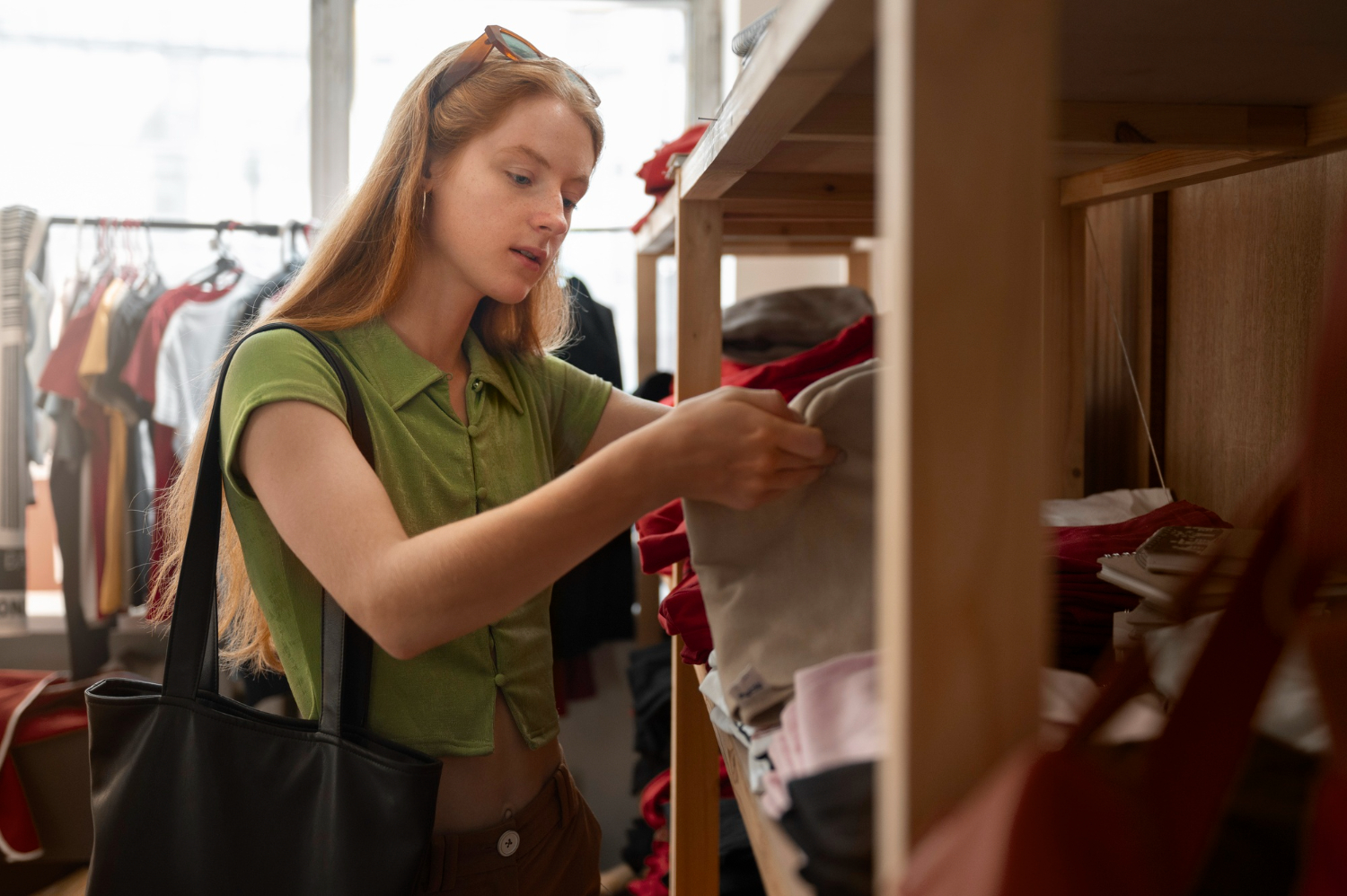
Shopping second-hand isn’t just a way to save money—it’s an opportunity to uncover unique, high-quality items that might otherwise be out of reach. From clothing and accessories to furniture and home décor, thrift stores, consignment shops, and online marketplaces can be treasure troves for savvy shoppers. The trick is knowing how to spot items that are both durable and stylish, so you can make purchases that feel like investments rather than impulse buys.
Here’s how to thrift smart and find high-quality items without paying full price.
1. Know Where to Look
The quality of your finds often depends on the store or platform you choose:
-
Thrift stores and charity shops: Great for budget-friendly basics, books, and vintage items.
-
Consignment shops: Typically feature curated, gently used items from higher-end brands.
-
Estate sales and garage sales: Ideal for furniture, home décor, and unique collectibles.
-
Online marketplaces: eBay, Poshmark, Depop, and Facebook Marketplace offer access to brand-name items and rare pieces.
Choosing the right source sets you up for higher-quality finds from the start.
2. Inspect Items Carefully
Even second-hand items can vary widely in quality. Pay attention to:
-
Clothing: Check seams, stitching, zippers, buttons, and fabric condition. Avoid items with excessive wear, holes, or stains that won’t come out.
-
Furniture: Test stability, inspect joints, check for cracks, water damage, or pest issues. Solid wood and metal frames are more durable than particleboard.
-
Electronics and appliances: Test functionality, look for signs of damage, and verify model and warranty status if possible.
A thorough inspection prevents bringing home problems that outweigh the savings.
3. Focus on Timeless Pieces
Second-hand shopping is perfect for high-quality, classic items that never go out of style:
-
Clothing: Neutral colors, simple silhouettes, and well-made fabrics like wool, cotton, or linen.
-
Furniture: Solid wood tables, chairs, and storage units with clean lines.
-
Home décor: Artwork, vases, and lighting that complement multiple design styles.
Timeless pieces maintain value and usefulness, making your thrifted finds feel like smart investments.
4. Don’t Be Afraid to Negotiate
Many second-hand platforms and shops allow room for negotiation:
-
Estate and garage sales: Offer slightly below asking price, especially if you’re buying multiple items.
-
Online marketplaces: Send reasonable offers and watch for price drops over time.
-
Consignment shops: Some will offer discounts on slightly older inventory.
Polite negotiation can save you even more on high-quality items.
5. Clean and Maintain Your Finds
A little effort goes a long way in bringing second-hand items back to life:
-
Clothing: Wash according to care instructions; consider minor repairs or alterations for a perfect fit.
-
Furniture: Sand, stain, or paint worn surfaces; tighten screws or add small reinforcements.
-
Home goods: Polish metals, clean glass, or reupholster chairs to refresh their look.
Maintenance ensures your finds last longer and look well cared for.
6. Develop a Thrifting Strategy
Smart thrifting is about preparation:
-
Make a list: Know what you need and what you can splurge on.
-
Check stores regularly: Inventory changes often; frequent visits increase your chances of finding hidden gems.
-
Set a budget: Avoid impulse buys that don’t fit your style or needs.
Being strategic turns thrifting into a productive, money-saving hobby rather than a gamble.
7. Appreciate the Sustainability Factor
Beyond saving money, second-hand shopping is environmentally friendly:
-
Reduces demand for new production, saving resources and energy.
-
Keeps items out of landfills by giving them a second life.
-
Encourages a more intentional, mindful approach to shopping.
Buying second-hand is not just smart—it’s responsible.
Bottom Line
Thrifting and second-hand shopping offer the chance to score high-quality, unique items at a fraction of the cost of new ones. By knowing where to look, inspecting items carefully, focusing on timeless pieces, negotiating smartly, and maintaining your purchases, you can build a stylish, durable, and sustainable collection for your home and wardrobe.
With patience and a trained eye, second-hand shopping becomes less about compromise and more about discovery—turning every purchase into a savvy win.