
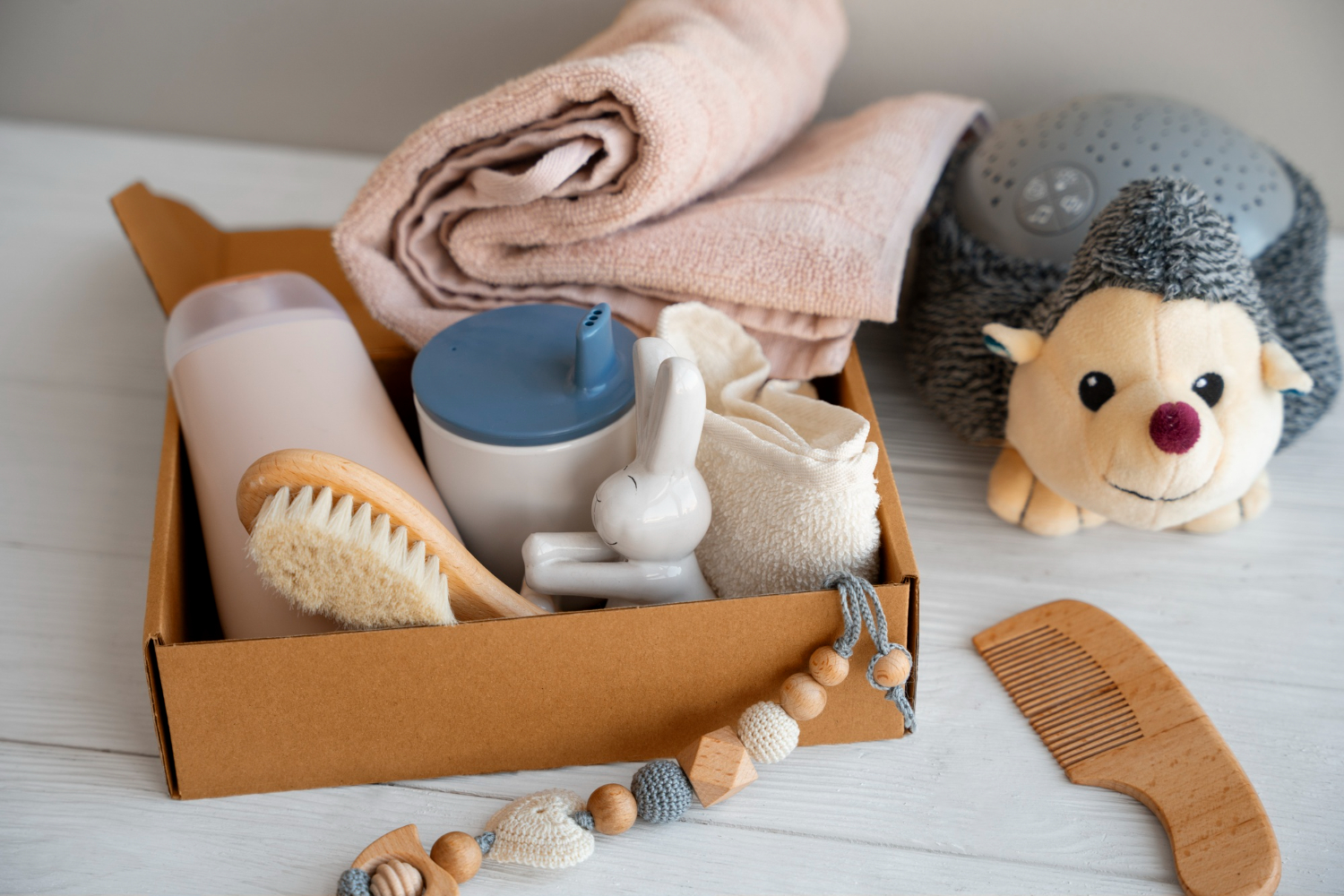
Raising kids is rewarding—but it’s also expensive. From clothing and shoes to toys, strollers, and furniture, the list of essentials can feel endless. While it’s tempting to go for the cheapest option, sacrificing quality can lead to frequent replacements, safety concerns, or frustration. On the other hand, overspending on every item isn’t sustainable either.
The key is finding a balance between cost and quality so that your kids get safe, functional, and durable products without breaking your budget. Here’s how to do it.
1. Prioritize What Truly Matters
Not all kids’ items are created equal. Focus your spending on essentials that impact safety, comfort, and long-term use:
-
High-priority splurges: Car seats, cribs, mattresses, strollers, and shoes that provide proper support. These items should meet safety standards and last longer.
-
Budget-friendly choices: Clothing basics, playroom décor, and toys that are easily replaceable or quickly outgrown.
By distinguishing “must-have quality” from “replaceable,” you can allocate your budget wisely.
2. Look for Durable Materials
Durability often correlates with safety and comfort, especially for items that see daily use:
-
Clothing: Cotton blends for breathability, reinforced seams, and adjustable sizing extend wearability.
-
Toys: Sturdy plastic or wood, non-toxic paint, and minimal small parts for safety.
-
Furniture: Solid wood or metal frames instead of particleboard for cribs, dressers, and shelves.
Spending a bit more on durable materials can save money in the long run.
3. Shop Smart with Timing
Many kids’ essentials go on sale predictably:
-
Seasonal clothing: Buy winter clothes in spring and summer clothes in fall for discounts.
-
Back-to-school sales: Stock up on school supplies, backpacks, and shoes.
-
Holiday and clearance sales: Big-ticket items like strollers or furniture often have marked-down prices.
A little patience and timing can significantly stretch your budget.
4. Explore Secondhand and Hand-Me-Down Options
Kids outgrow items quickly, and secondhand items often provide excellent value:
-
Consignment shops and thrift stores: Affordable clothing, books, and toys in good condition.
-
Online marketplaces: Facebook Marketplace, eBay, and local parent groups often have high-quality items at low prices.
-
Family and friends: Hand-me-downs save money and reduce waste.
Inspect carefully, especially for safety-related items, but used items can be a goldmine for quality on a budget.
5. Read Reviews and Test for Practicality
Before spending, check what other parents say about performance and durability:
-
Look for repeated feedback on wear, functionality, and safety.
-
Test items when possible—chairs, car seats, and strollers should feel sturdy and comfortable.
-
Prioritize products with simple, versatile designs to reduce waste and unnecessary purchases.
Reviews and hands-on testing ensure your investment lasts longer and meets your child’s needs.
6. Focus on Multi-Functional and Long-Term Use
Products that grow with your child offer better value:
-
Convertible cribs: Turn into toddler beds.
-
Adjustable car seats and high chairs: Adapt as your child grows.
-
Multi-purpose toys: Encourage creativity across ages rather than being single-use.
Spending a little more upfront for items with multiple uses can prevent frequent replacements.
7. Maintain and Care for Items
Even budget items can last longer with proper care:
-
Wash clothes according to labels to prevent wear.
-
Store toys properly to avoid breakage.
-
Tighten screws, clean surfaces, and check for safety hazards regularly.
A small effort in maintenance keeps essentials functional and reduces the need for early replacement.
8. Set a Flexible Budget
Decide ahead of time how much to spend on different categories:
-
Essentials (safety and comfort): Higher budget allocation
-
Replaceable or trend-based items (toys, seasonal clothes): Lower allocation
Having a clear spending plan prevents impulse purchases and ensures your money is going where it matters most.
Bottom Line
Balancing cost and quality for kids’ essentials is about strategy, not sacrifice. Invest in items that impact safety, comfort, and long-term use, while shopping smart, exploring secondhand options, and timing your purchases. With careful planning and a focus on durability, you can provide your children with what they need—and want—without overspending.
Smart choices now mean fewer replacements, safer products, and a healthier, happier home environment for both kids and parents.